
A Peace of Metal
Provoke. Challenge. Inspire
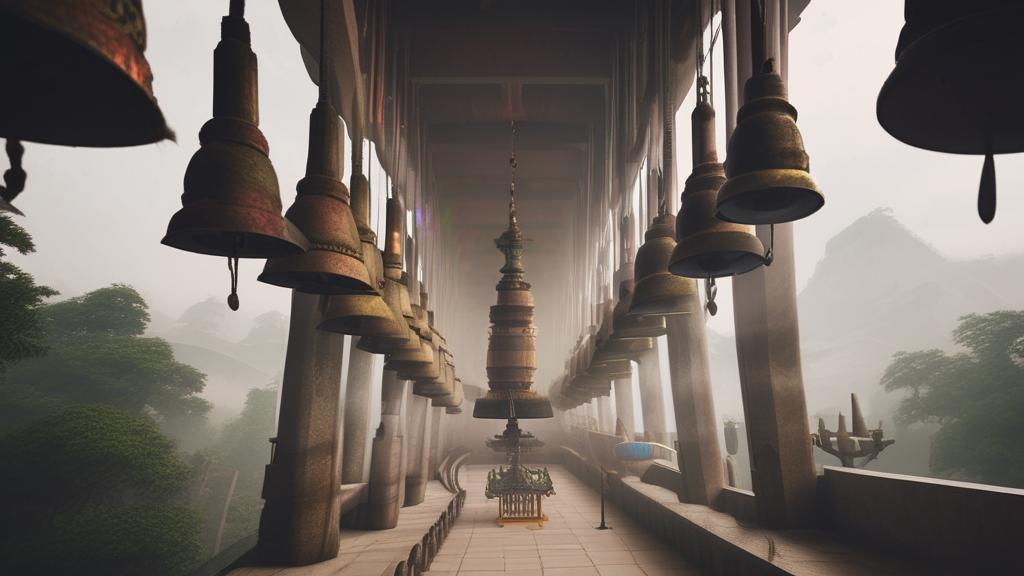
The year 2045 will mark a century since the end of World War II. In anticipation of this historic milestone, Peace of Metal – a global art initiative – is gaining momentum. This monumental project will bring people of all nations together under one roof to honour those who devoted their lives in the pursuit of peace.
The Nation Without Fear will cast the first bell.
For more foreign translations, visit this YouTube Channel.
An updated video will be released in March 2026
A Peace of Metal - READ PRESS RELEASE
FOR IMMEDIATE RELEASE:
Contact:
Lindsay McAuley
Email: [email protected]
Website: www.lindsaymcauley.com
Date: January 2026
Peace of Metal: A Global Call to Transform Weapons of War into Symbols of Peace
Queensland, Australia – In a bold and visionary initiative, Australian visual artist Lindsay McAuley, is developing his ground-breaking project, Peace of Metal. This global art movement invites nations to transform decommissioned military equipment into bells representing each country. A powerful symbol of remembrance and reconciliation commemorating the centenary of the end of world war 2.
The year 2045 will mark a century since the end of World War II. In anticipation of this historic milestone, Peace of Metal—a global art initiative—is gaining momentum. This monumental project will bring people of all nations together under one roof to honour those who gave their lives in the pursuit of peace.
During World War II, Nazi Germany confiscated and melted down more than 175,000 church bells across Europe to forge weapons of war. Peace of Metal seeks to reverse that dark history—one bell at a time. Governments around the world are being invited to contribute decommissioned military hardware, which will be repurposed into bells representing their nations. These bells will be housed under one roof, in a yet-to-be-determined location, forming a unified monument to peace and reconciliation.
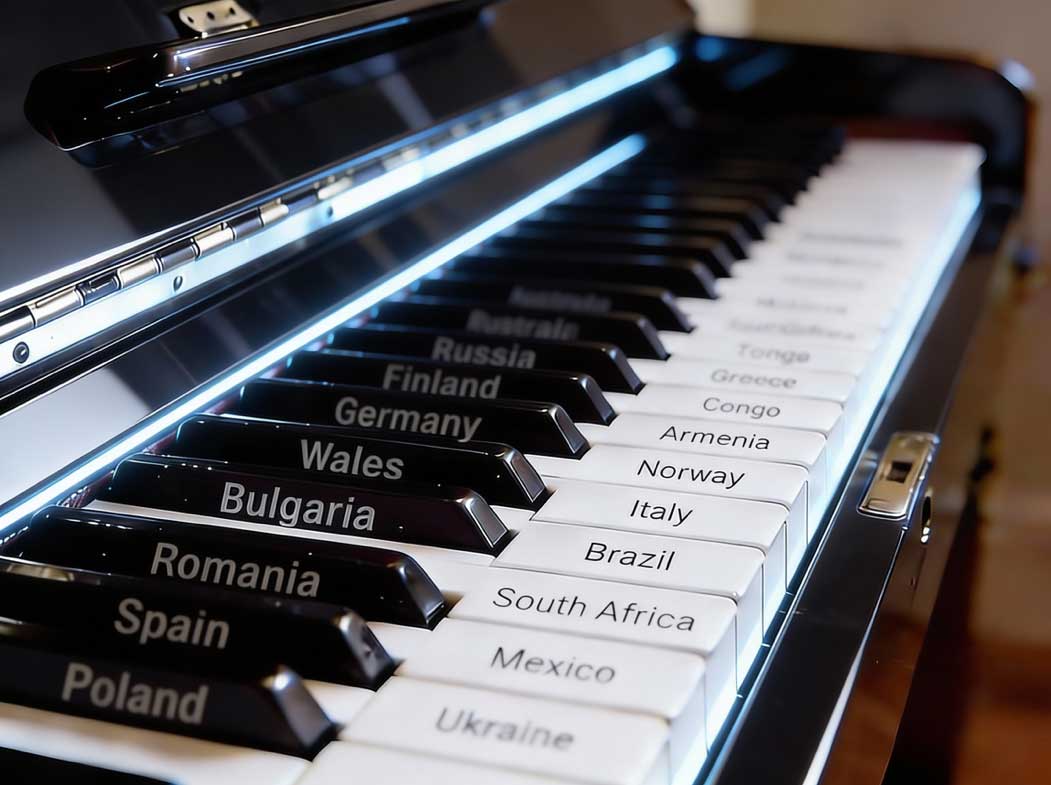
“This has the potential to be the largest musical instrument ever conceived,” says McAuley. “I am hoping to create a carillon, attracting the attention of 88 countries to represent each of the 88 keys on a piano.
Australia has taken a leadership role by helping McAuley present Peace of Metal to the United Nations through the Strategic Communications and Outreach Unit of the Department of Peacekeeping Operations. In addition, the Australian Defence Force has placed the project on its Expressions of Interest list for Military Disposal Equipment.
Peace of Metal first emerged nearly 30 years ago, when McAuley wrote to every UN member state. The project was shelved due to logistical barriers. Today, with renewed urgency and a world increasingly shadowed by conflict, McAuley has reignited the initiative—reaching out to over numerous ambassadors and political leaders across the globe.
While each bell will stand just 1.2 meters tall, their collective sound will echo worldwide—a sonorous call that resonates far beyond borders.
For more information or to participate in this global initiative, please contact Lindsay McAuley at [email protected] or visit www.lindsaymcauley.com/peace-of-metal.
About the Artist: Lindsay McAuley
Lindsay McAuley is an acclaimed artist, filmmaker, and social visionary. Born in outback Queensland, he has travelled to 47 countries, drawing inspiration from diverse cultures and lived experiences. His award-winning work spans visual art, photography, and writing. Peace of Metal is the culmination of decades of creative exploration and a lifelong commitment to fostering a more peaceful world.
### END ###
Provoke. Challenge. Inspire
Every nation on earth is provoked to participate, challenged to collaborate, in doing so, inspire other nations to follow.
Peace of Metal: A Global Call for Remembrance and Contemplation
A Call to All Nations
Every nation on earth has been invited to take part in this powerful world-class artistic collaboration—Peace of Metal.
This global project challenges countries to unite, contribute, and inspire others by participating in the creation of a monument dedicated to peace, remembrance, and shared humanity. Over 700 emails have been sent to world leaders and ambassadors of each member state of the United Nations.
The Process: From Weapon to Bell
The process involves:
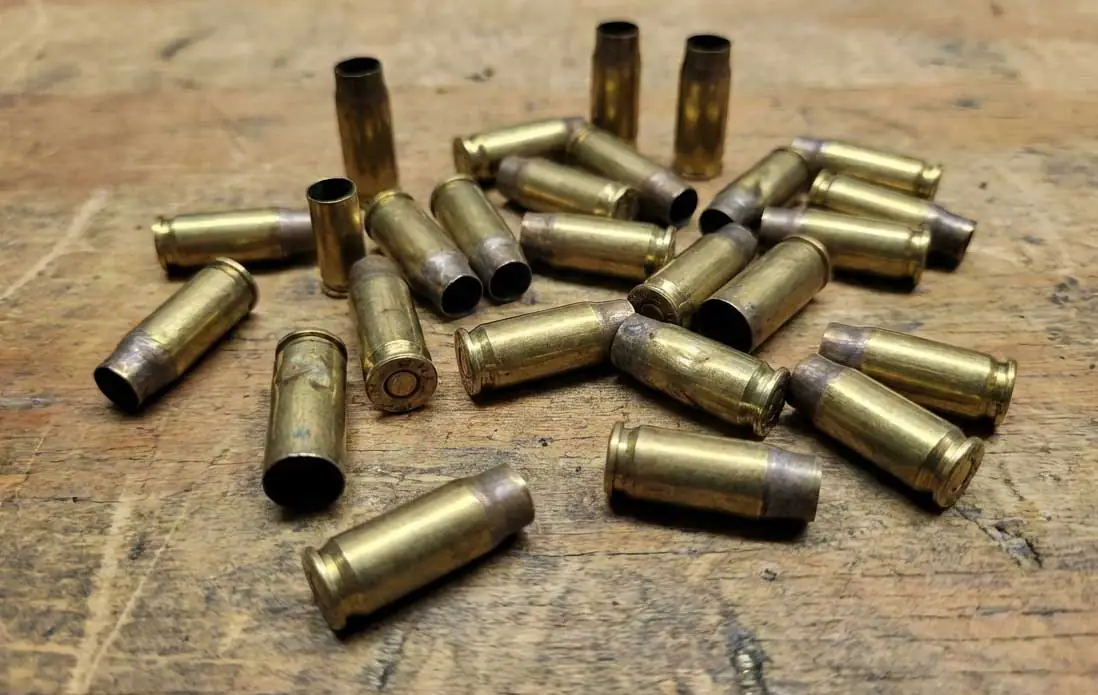
- Each participating government is asked to supply a small piece of decommissioned military hardware to be added to the metallurgy process.
- Pay for casting a bell between 1 and 1.5 meters in height.
- Each bell will be stored until a nation agrees to be the host
The Vision: A Monument of Reflection and Contemplation
At the heart of Peace of Metal is a singular vision:
To create a unique architectural structure, a place of remembrance and contemplation, where people from all nations can honour those who gave their lives in the pursuit of peace. More than a memorial, it will be a place to imagine a safer, more unified world.
Each participating country are asked to contribute a bell, forged from decommissioned military equipment. These bells, marked with culturally significant motifs identifying each nation, will symbolize transformation, from instruments of war to icons of peace.
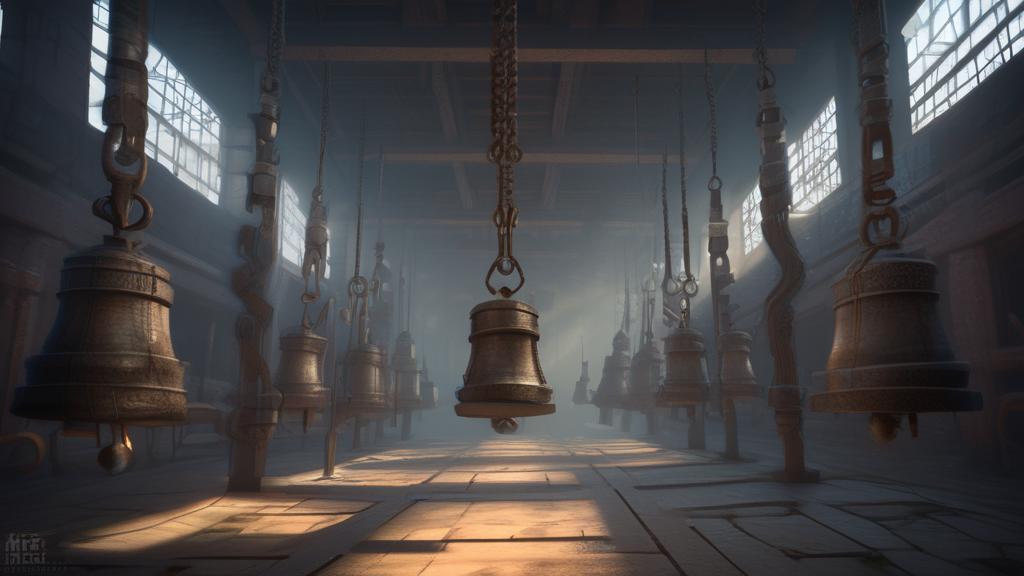
The sound of bells call people to gather, a universal summons to pause, reflect and unite.
Historical Context
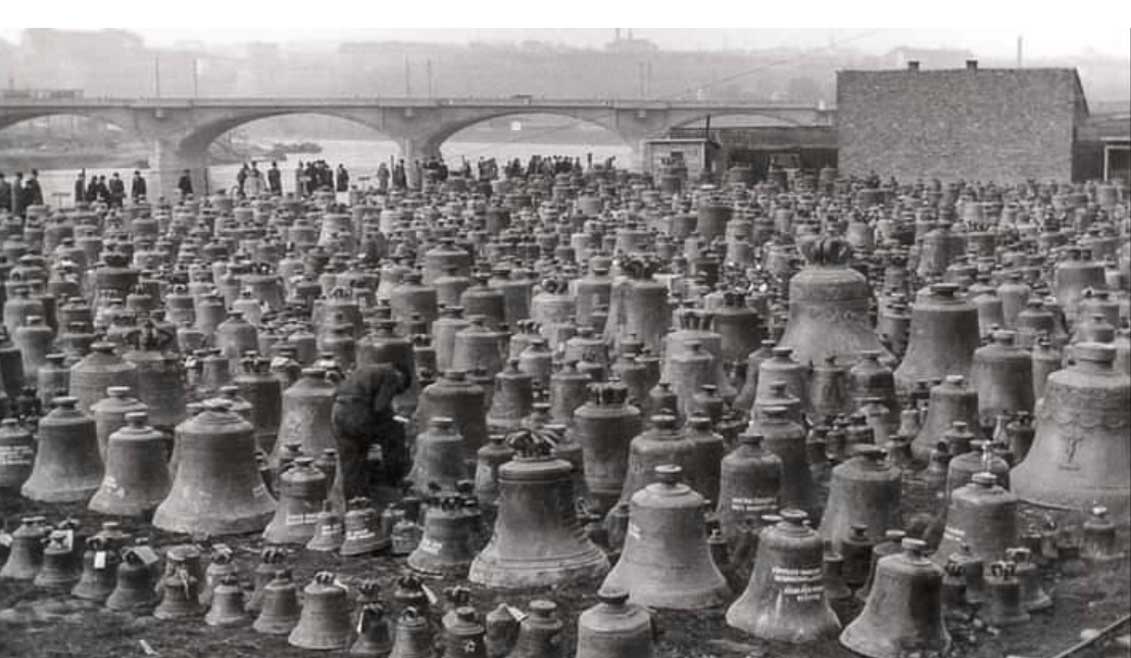
During World War Two, numerous bells were collected. Between 1939 and 1945, 175,000 bells across Europe were taken by Nazi Germany. The intention, to be melted down and used as military equipment. Church bells of all shapes and sizes were repurposed as a means to kill.
The aim of Peace of Metal is to reverse that event.
For more historical information:
The Vision: A proposal to create the world’s largest musical instrument ever conceived.
Peace of Metal is a monumental artwork, a work-in-progress subject to a variety of political, religious influences and practical considerations. Every member state at the United Nations has been sent an invitation to collaborate and to make a contribution toward reconciliation and remembrance, if they choose to participate. Although it must remain fluid and adjustable to change in its creative direction, the constant is, Peace of Metal remains a world reconciliation initiative in commemoration of the end of World War 2.
The intention is to create a harmonious space for collective healing harnessing the power of sound frequency. Using a carillon, a series of bells played using a keyboard or, by an automatic mechanism, is an effective way to achieve this objective.
A piano is able be linked to a carillon of bells.
There are 88 keys on a piano. The creative approach is to link each country to an individual key, Each harmonic bell produced will be designed to correspond with an individual note. Each note is, therefore represented by a country. This technique opens up the opportunity to be interactive or played remotely. The technology to achieve this, already exists in Australia.
(https://www.ausbell.com.au/index-2.html)
There are 88 positions available for a nation to be part of this world-class art project.
88 keys on a piano. 88 countries represented.
We have all lost people. Every nation has endured sacrifice. Collectively, humanity is wounded in a sense. In recognition of this, Peace of Metal is a way forward to reconcile the past.
Will your country accept this extraordinary challenge?
Who will have the courage to lead, to be part of the largest musical instrument ever conceived?
One Host Nation
One country will eventually choose to host the Peace of Metal monument. This nation will gain the cultural prestige and economic opportunity that comes with becoming a global centre of remembrance, drawing international tourism and attention.
While the final location is yet to be determined, bells can be produced now, in preparation for their future destination.
The Process: From Weapon to Bell
The process involves:
- Each participating government is asked to supply a small piece of decommissioned military hardware to be added to the metallurgy process.
- Pay for casting a bell between 1 and 1.5 meters in height.
- Each bell will be stored until a nation agrees to be the host
The First Step: Casting the First Bell
“Let the nation without fear, cast the first bell.”
In today’s climate of rising defence budgets and global uncertainty, this project demands courage. A nation’s choice to participate is a bold gesture, an act of leadership and humanity in the face of fear.
Peace of Metal is not just about remembrance. It is about empathy, unity, and forging a collective vision for a better tomorrow. Every nation has known conflict. Every human has known tragedy. Together, we can transform that shared suffering into a powerful symbol of peace.
Momentum Begins: Australia Leads the Way
As of June 2025, Australia has officially pledged to contribute decommissioned military hardware, becoming the first nation to respond.
This significant step encourages the rest of the world to follow and take part in this extraordinary journey.
The race has begun.
Will your nation answer the call?
Will you become involved in changing the world?
– simply by contacting your local government representatives and encouraging them to collaborate.
Donate
If you feel strongly about the intention of this project, you can make a donation to the cause. The artist would like to make it known, ‘Peace of Metal’ is a ‘work in progress’, therefore there is no guarantee that the outcome will be successful because of the nature of the dealing with governments on this level of sensitivity. Any money collected will be used transparently and specifically toward this project with regard to establishing the concept. This will go toward airfares, meetings and general administration until a board of directors is finalised.
Lindsay McAuley
Visual artist & Founder of Peace of Metal
(e) [email protected]
www.lindsaymcauley.com
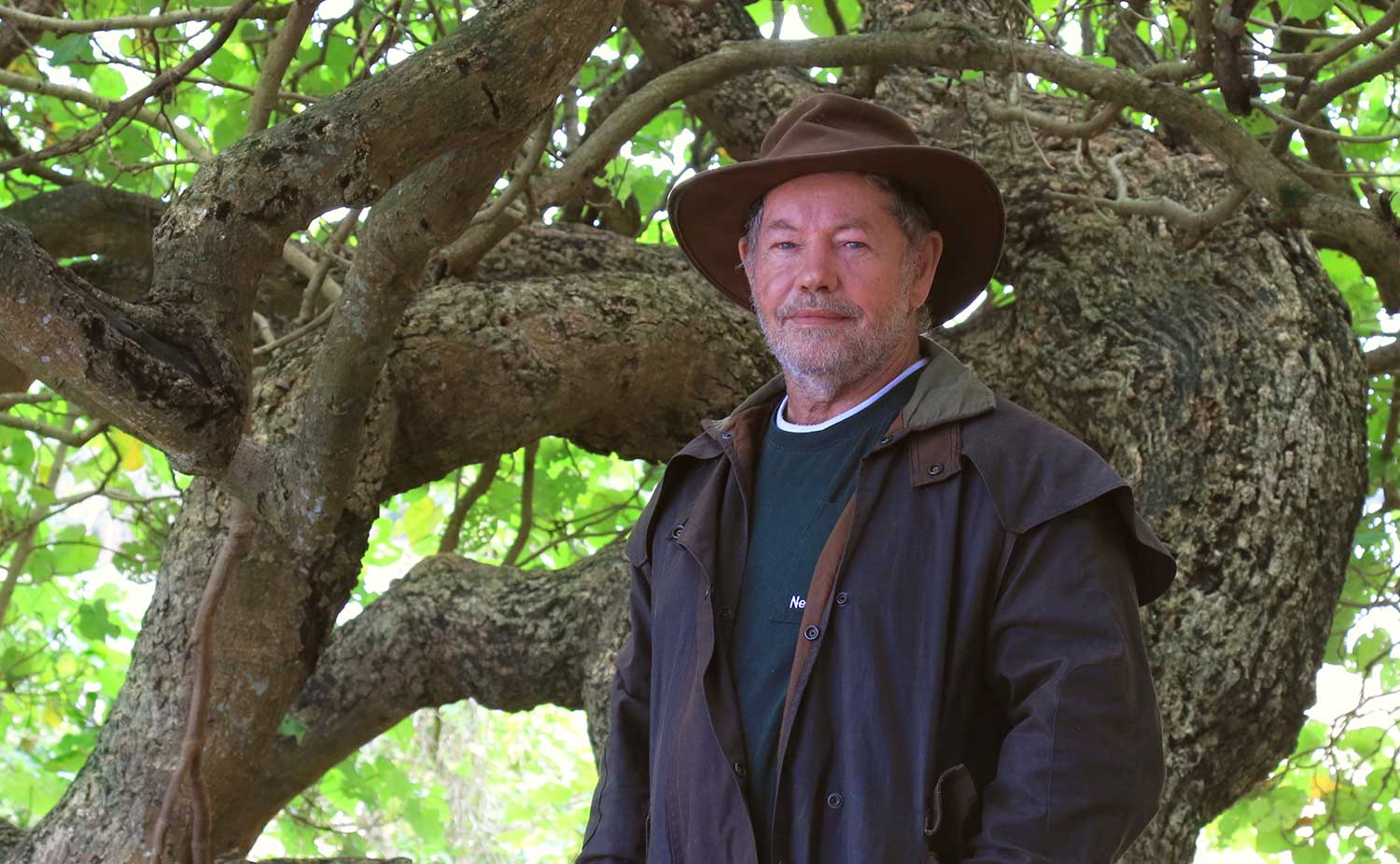
Lindsay McAuley was raised where the horizon stretches wide and the night sky speaks using patterns in the stars-on a sheep and cattle station in the outback of Queensland, Australia. There, amidst the dust, silence, and vastness, he first encountered the twin forces that would shape his life: the natural world and the unseen-astronomy, art, and metaphysics taking root under the wide-open skies.
A career in film and photography became a continuation of this early awakening, honing an instinct for light, form, and story. Formal study in art followed, along with recognition through awards in visual art and filmmaking. Creation, for Lindsay, is not a discipline. It is a compulsion.
His output is as wide-ranging as his curiosity.
He has written for the stage, authored The Lost World of the Maya-a work that questions, reclaims, and expands history’s understanding of an ancient civilisation-and continues to explore narrative in fiction. A romance novel emerged, Scent of a Lion, set in South Korea while The Adventures of Kanga, the Kangaroo, a children’s educational story rooted in Cambodia, is in development and a bedtime story, Lloyd the Gecko. Parallel to these works, he has produced research across fields as disparate as anatomy, astronomy, and mathematics, guided by a belief that knowledge, like art, is interconnected.
Art has been another language through which he communicates. His work has appeared in both solo and group exhibitions, most notably Skyharp, a fine-art photography project capturing the shifting dialogue between light and an outdoor metallic sculpture he built aligned with the equinoxes and solstices. Wind became a collaborator incorporating an aeolian harp, its sound shaping the space, while a documentary (Perfect Almost) traced the sculpture’s making. Embedded within the artwork, a mathematical inquiry he found within geometry, revealing a method for accurately mapping planetary orbits—science and art sharing the same frame.
Restless by temperament, Lindsay has travelled through 47 countries, across all seven continents, carrying observation and sensitivity with him. From this accumulation of places, ideas, and conscience Peace of Metal has emerged—a reconciliation work on a grand scale calling upon member states at the United Nations to participate in a collective act of reconciliation and remembrance. It is an extension of his lifelong pursuit: to listen closely, to connect disciplines, a conduit and to imagine a harmonious world.